
You’ve been told the postpartum body recovers in six weeks. But if you’re reading this at week seven, still bleeding, struggling to sit comfortably, or feeling nothing like your old self, you’re not broken. You’re normal.
The truth is, full postpartum recovery takes far longer than a single checkup visit. Your uterus might shrink back to size within six to eight weeks, but your pelvic floor, abdominal muscles, hormones, and mental health are on entirely different timelines. Some systems bounce back in months. Others take a full year or more.
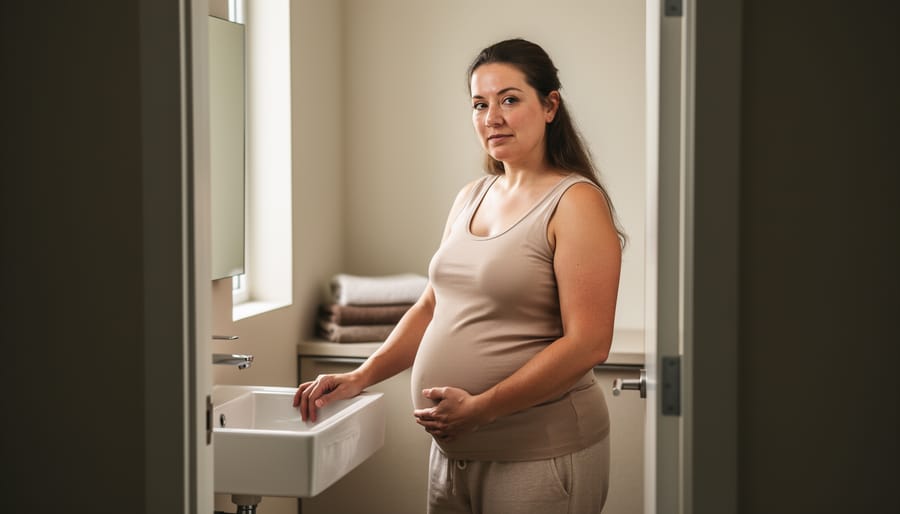
I still remember standing in my bathroom at three months postpartum, staring at my reflection and wondering why nobody had prepared me for this middle ground. I wasn’t in crisis, but I wasn’t “back” either. My doctor had cleared me at six weeks, yet I leaked when I sneezed and couldn’t recognize my own body.
Here’s what medical professionals know but rarely explain upfront: postpartum recovery is measured in stages, not a single deadline. Physical healing overlaps with hormonal shifts, sleep deprivation compounds everything, and your body prioritizes survival over aesthetics. Whether you had a vaginal birth or C-section, whether this is your first baby or your fourth, your recovery timeline is uniquely yours.
This article breaks down what actually happens during postpartum recovery, how long each phase truly takes, and what you can do to support your body through every stage. No sugar-coating, no impossible standards, just evidence-based timelines and real support.
The Truth About the ‘6-Week Rule’
The six-week postpartum checkup has become so ingrained in our culture that many women assume it marks the end of recovery. You’ve probably heard it countless times: “You’ll be back to normal in six weeks.” But here’s what that appointment actually represents, and why thinking of it as a finish line sets unrealistic expectations.
The six-week checkup originated as a practical medical milestone. After childbirth, your doctor needs to ensure your body has progressed through the most critical healing phase. During this appointment, your provider checks whether your uterus has shrunk back to its pre-pregnancy size, examines any tears or incisions for proper healing, and confirms that bleeding has tapered off appropriately. They’ll assess whether it’s safe for you to resume activities like exercise and sex, and they’ll screen for postpartum depression.
What this appointment doesn’t do is certify that you’re completely healed or that your body has returned to its pre-pregnancy state. It simply confirms you’ve moved past the acute recovery phase and aren’t experiencing complications that need immediate attention.
This is why so many women leave their six-week appointment feeling confused or even dismissed. Your doctor clears you for normal activities, but you still feel exhausted, your abdomen feels weak, or sex remains painful. You wonder if something’s wrong with you, when in reality, you’re experiencing exactly what most women do: recovery that extends well beyond six weeks.
The problem isn’t the appointment itself. It’s the cultural narrative that’s built up around it, suggesting that six weeks should be enough time to bounce back. Your body grew a human for nine months. Expecting it to fully recover in six weeks is like expecting a marathon runner to feel completely normal the day after the race.
What Actually Happens During Postpartum Recovery

Your Uterus and Core
Your uterus does some pretty incredible work after birth. During pregnancy, it expands to about 500 times its original size. Within minutes of delivering your baby and placenta, contractions begin pulling it back down. You’ll feel these afterpains, which often intensify during breastfeeding when oxytocin triggers stronger contractions.
The process of how your uterus shrinks after birth takes about six weeks, though you’ll notice the most dramatic changes in the first ten days. By day five, your uterus typically sits at your belly button level. By two weeks, it’s back below your pubic bone. You can actually feel this happening if you gently press on your lower abdomen.
Throughout this shrinking process, you’ll experience vaginal bleeding called lochia. It starts bright red and heavy, similar to a very heavy period. Over the following weeks, it gradually becomes lighter in flow and color, shifting to pink, then brown, then yellowish-white. While lochia can last weeks most women find it tapers off between four and six weeks postpartum. Some light spotting can continue even longer.
Your abdominal muscles tell a different story. The separation that occurred during pregnancy, called diastasis recti doesn’t automatically close once your baby arrives. For many women, this gap narrows naturally over several months as hormones stabilize and inflammation decreases. However, it can take six months to a year for significant improvement, and some separation may remain permanent without targeted rehabilitation. Your belly won’t look or feel the same right away, and that timeline is completely normal.
Vaginal and Perineal Healing
If you delivered vaginally, you’re likely wondering when the soreness, swelling, and general tenderness down there will finally ease up. The honest answer? It varies, but most women start feeling significantly better within two to three weeks, though complete vaginal healing takes longer.
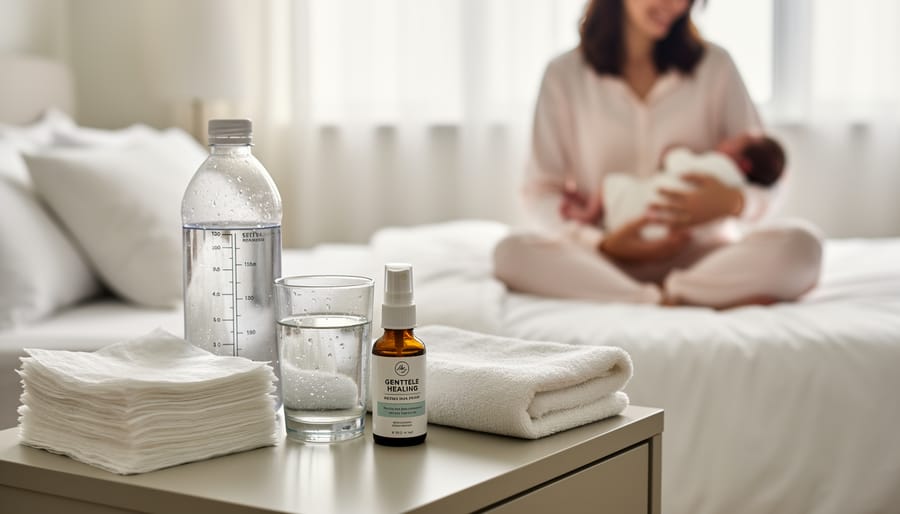
Swelling typically peaks in the first 24 to 48 hours after birth, then gradually improves over the next week. Ice packs and witch hazel pads can provide real relief during this phase. If you had a tear or episiotomy, most episiotomy healing occurs within four to six weeks, though deeper tears may take longer.
First-degree tears (just skin) usually heal quickly with minimal discomfort. Second-degree tears (extending into muscle) need more time, often four to six weeks. Third and fourth-degree tears, which involve the anal sphincter, require the longest recovery and may need pelvic floor therapy.
When will you feel normal again? Many women notice they can sit comfortably and move without wincing around the three-week mark. By six weeks, the tissue has typically healed enough for most activities, though you might still feel tender or notice scar tissue. Some women report lingering sensitivity or changes in sensation for several months, and that’s not unusual. Your body just stretched to deliver a human, give it the grace and time it needs.
C-Section Incision Recovery
Your cesarean incision heals in layers, not all at once. The visible scar you see is only the beginning of a complex internal process that takes months.
During the first week, your incision site will be tender, swollen, and possibly numb around the edges. The outer skin typically heals within seven to ten days, when staples or stitches are removed. But underneath, your body is working much harder. Your uterus was cut through, along with several layers of tissue and muscle. These deeper structures take six to eight weeks to heal enough for basic activities, though true strength returns much more gradually.
C-section recovery involves significant restrictions that vaginal birth doesn’t require. You’ll need to avoid lifting anything heavier than your baby, climbing stairs frequently, or driving for at least two weeks (sometimes longer depending on pain medication and your ability to brake quickly). Most surgeons clear patients for light exercise around six weeks, but core strength and full healing can take six months to a year.
The scar itself evolves over time. Initially red and raised, it flattens and fades over twelve to eighteen months. Some women experience numbness or hypersensitivity around the incision site that can last months or even become permanent as nerve endings reconnect (or don’t).
Internal adhesions, where scar tissue binds organs together, develop in about 90% of cesarean births and can cause discomfort or complications in future pregnancies. This is normal but often overlooked when discussing surgical birth recovery.
Hormonal Shifts and Physical Effects
The hormonal earthquake after birth catches most mothers off guard. Your estrogen and progesterone levels plummet within hours of delivery, falling to nearly pre-pregnancy levels in just days. This dramatic shift triggers a cascade of physical changes that can feel alarming if you don’t know they’re normal.
Night sweats often drench your sheets for weeks as your body sheds pregnancy fluids and adjusts hormone levels. You might wake up soaked multiple times per night, especially in the first two weeks. Many women also notice their hair falling out in clumps around three to four months postpartum. This isn’t actual hair loss, you’re simply shedding the extra hair that pregnancy hormones kept attached. Most hair regrows within six to twelve months.
Your breasts transform whether you breastfeed or not. Engorgement peaks around day three or four postpartum as milk comes in, causing painful swelling and sometimes fever. Breastfeeding mothers experience ongoing changes as supply adjusts to demand. If you’re not nursing, hormones signal your body to stop milk production within about two weeks, though some leaking may continue.
These hormonal shifts also affect your thyroid, which can cause fatigue, mood swings, or unexpected weight changes that persist for months.
The Postpartum Recovery Timeline: What to Expect When
The First Six Weeks: Immediate Recovery
The first six weeks after birth mark the most intense healing period. Your body performs extraordinary repair work while you’re learning to care for a newborn on minimal sleep, a reality that catches many women off guard.
Bleeding is your most constant companion during this phase. Lochia starts heavy and bright red, like a very heavy period, then gradually lightens to pink and eventually yellowish-white over four to six weeks. You’ll soak through multiple heavy-duty pads in those early days. This is your uterus shedding its lining as it contracts back toward its pre-pregnancy size, shrinking from about 2.5 pounds at birth to just a couple of ounces.
Pain varies dramatically depending on your birth experience. Vaginal tears or episiotomies make sitting, walking, and using the bathroom genuinely difficult for the first week or two. Ice packs, dermoplast spray, and peri bottles become your best friends. If you had a cesarean, you’re healing from major abdominal surgery, stairs feel impossible, laughing or coughing hurts, and picking up your baby requires careful positioning.
Most women experience cramping, especially while breastfeeding, as the uterus contracts. Night sweats drench your sheets as hormones plummet. Your breasts engorge around day three, becoming rock-hard and uncomfortable whether or not you’re nursing.
This phase demands genuine rest. You shouldn’t lift anything heavier than your baby. Many care providers recommend staying close to home, limiting stairs, and accepting every offer of help.
Contact your doctor immediately if you experience fever above 100.4°F, foul-smelling discharge, sudden heavy bleeding (soaking a pad in under an hour), severe abdominal pain, or leg pain and swelling, these signal complications requiring prompt treatment.
Months Two Through Six: The Middle Phase
Somewhere between six weeks and six months, many women hit a confusing middle ground. The acute pain has faded, you’re cleared for normal activity, but you don’t feel normal. Your body feels different in ways that are hard to explain.
This phase is when your pelvic floor continues its slower healing work. Those muscles and connective tissues stretched during pregnancy and birth need months to regain strength and coordination, not weeks. You might notice leaking when you sneeze, a heaviness in your pelvis, or discomfort during sex. These aren’t signs you’ve failed at recovery. They’re normal at this stage.
Energy levels can be maddeningly unpredictable now. Some days you feel capable, others you’re exhausted by noon. This isn’t just about sleep deprivation. Your body is still reallocating resources, your hormones continue adjusting, and if you’re breastfeeding, you’re burning significant calories around the clock.
Returning to exercise feels trickier than you expected. A walk around the block might be fine, but a jumping jack could trigger leaking or pain. Core strength doesn’t return on a predictable schedule. Many women discover a gap between their abdominal muscles that makes familiar movements feel weak or unstable.
This in-between phase can feel isolating because everyone assumes you’re recovered. You’re not broken. You’re healing on your body’s timeline, and that takes patience with yourself.
Six Months to One Year and Beyond
By six months postpartum, many women notice significant improvements. Energy levels stabilize, bleeding has long stopped, and daily activities feel manageable again. But here’s what medical professionals know and many mothers discover: true physical recovery often extends well into the first year and beyond.
Research shows most women don’t feel completely “back to themselves” until nine to twelve months postpartum. Your pelvic floor may still be strengthening. Core muscles continue reconnecting. Hormones keep shifting, especially if you’re breastfeeding. This timeline isn’t failure. It’s normal biology.
Some changes may stick around permanently. Your ribcage might remain slightly wider. Shoe size can change. Abdominal muscles may never return to their pre-pregnancy tension without targeted therapy. Your body carried and birthed a human. It’s transformed, not broken.
Around the one-year mark, most mothers report feeling physically recovered, though “recovered” looks different for everyone. You might notice lingering back pain that benefits from physical therapy, or pelvic floor issues that improve with continued exercises. These aren’t signs you’re healing wrong. They’re reminders that creating life leaves a lasting imprint on your body, and that’s okay.
Factors That Influence Your Recovery Timeline
Every postpartum recovery unfolds differently, and understanding why can help you release the urge to measure your healing against anyone else’s timeline. Your body’s recovery depends on a complex mix of factors, some within your control and many that aren’t.
**Type of Birth**
How your baby arrived significantly shapes your healing path. Vaginal births and cesarean sections involve different types of trauma to your body. A straightforward vaginal birth without tearing typically means faster recovery than a third-degree tear or an emergency C-section. Instrumental deliveries using forceps or vacuum extraction often cause more tissue damage, extending healing time. If you had a cesarean, you’re recovering from major abdominal surgery on top of everything else your postpartum body is processing.
**Your Birth Experience**
A long, difficult labor taxes your body differently than a quick one. If you pushed for three hours versus thirty minutes, your pelvic floor endured more strain. Complications like hemorrhage, infection, or retained placenta mean your body must heal from those challenges alongside standard postpartum changes.
**Your Pre-Pregnancy Health and Fitness**
Women who were physically active before and during pregnancy often recover faster because their muscle tone, cardiovascular fitness, and overall strength provide a foundation. Underlying health conditions like diabetes, hypertension, or autoimmune disorders can slow healing. Your age plays a role too, while women of all ages recover successfully, tissue repair generally happens more slowly as we get older.
**Number of Previous Births**
Each pregnancy and birth affects your body cumulatively. Your abdominal muscles and pelvic floor have more work to do with subsequent babies, and issues like diastasis recti or pelvic organ prolapse become more common. However, second or third-time mothers sometimes feel they recover faster emotionally because they know what to expect, even if physical healing takes similar time.
**Rest and Support**
Recovery depends heavily on whether you can actually rest. If you’re caring for older children, returning to work early, or managing household responsibilities alone, your body can’t dedicate energy to healing. Adequate sleep, nutritious food, and practical help with daily tasks aren’t luxuries, they’re recovery necessities. Unfortunately, these resources aren’t equally available to everyone, which directly impacts healing speed.
**Genetics and Individual Variation**
Some of this simply comes down to how your body heals. Connective tissue elasticity, inflammation response, and tissue repair rates vary from person to person. There’s no changing this, and it’s not a reflection of anything you’ve done wrong.
Supporting Your Body’s Healing Process
Rest and Gentle Movement
Your body just performed an incredible feat, and now it needs time to heal. But here’s the tricky part: recovery isn’t about complete bed rest or pushing through pain to “get back in shape.” It’s about finding the sweet spot between the two.
In those first days, rest truly is medicine. Sleep when your baby sleeps isn’t just cliché advice; it’s essential for healing. Your body is repairing tissues, managing hormonal shifts, and adjusting to breastfeeding demands. Even walking to the bathroom can feel exhausting, and that’s completely normal.
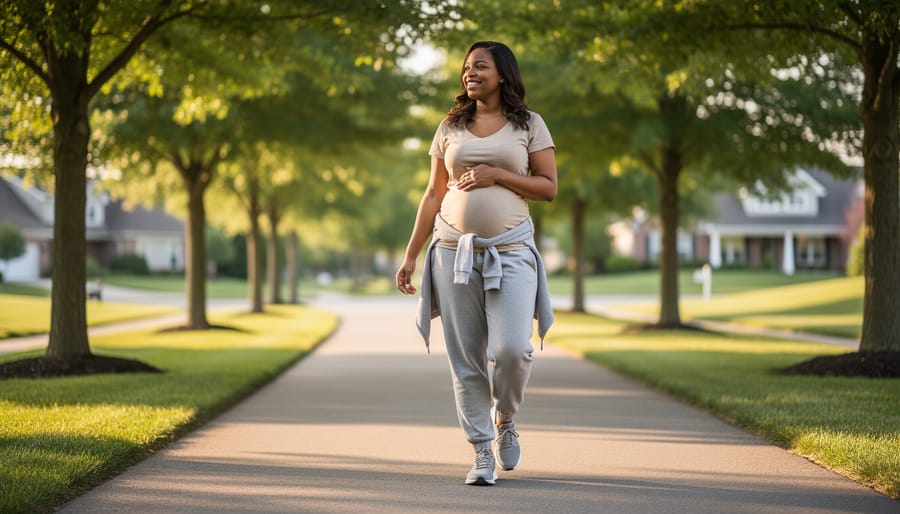
That said, gentle movement helps. Light walking, even just around your house, promotes blood flow and reduces the risk of blood clots. Most women can start short walks within days of delivery, but listen to your body. If you feel pulling, increased bleeding, or pain, scale back.
The key signal? How you feel the next day. If a 10-minute walk leaves you exhausted for 24 hours, you did too much. Recovery isn’t linear. Some days you’ll feel stronger; others you’ll need more rest. Both are part of healing, and neither makes you weak.
Nutrition and Hydration for Healing
Your body is working overtime to heal, and it needs fuel to do that job well. Focus on protein-rich foods like eggs, lean meats, beans, and Greek yogurt to support tissue repair. Iron helps rebuild blood stores after delivery, think leafy greens, red meat, and fortified cereals. If you’re breastfeeding, you need about 500 extra calories daily and significantly more water than usual.
Hydration matters more than most new mothers realize. Keep a water bottle within arm’s reach during nursing sessions, and aim to drink whenever you’re thirsty, plus a bit more. Proper hydration helps with milk supply, prevents constipation, and supports overall healing. Dark yellow urine usually means you need more fluids.
You don’t need a perfect diet right now. Simple, nutrient-dense meals and snacks that you can eat one-handed work just fine.
Pelvic Floor Care
Your pelvic floor went through major changes during pregnancy and birth, and giving it attention now can prevent issues years down the line. Many women assume pelvic floor problems are just part of having babies, but that’s not true. Starting simple Kegel exercises a few days after birth (once your doctor clears you) can help rebuild strength, though it’s crucial to do them correctly, squeezing and lifting rather than bearing down. If you’re leaking urine when you sneeze or jump, feeling heaviness in your vagina, or experiencing pain during sex months postpartum, pelvic floor therapy with a specialized physical therapist can make a tremendous difference. This isn’t just about the first few weeks. Your pelvic floor supports your bladder, bowels, and uterus for life, and investing in its recovery now protects your comfort and confidence as you age.
When to Seek Help: Red Flags vs. Normal Recovery
Knowing what’s normal and what requires immediate attention can feel overwhelming when you’re exhausted and healing. Your body is going through major changes, and while some discomfort is expected, certain symptoms should never be ignored.
Here’s what you need to know about distinguishing everyday postpartum recovery from warning signs:
| Normal Recovery | Call Your Doctor |
|---|---|
| Bleeding that gradually decreases over weeks | Soaking through a pad in an hour or passing large clots |
| Mild cramping and discomfort | Severe abdominal pain or pain that worsens |
| Incision tenderness and mild swelling | Incision that’s hot, oozing, or has red streaks |
| Fatigue and mood swings | Inability to care for yourself or baby, thoughts of harming yourself or baby |
| Breast engorgement and occasional plugged ducts | Fever over 100.4°F, especially with breast pain or flu-like symptoms |
Trust your instincts. If something feels wrong, it probably warrants a call to your healthcare provider. They’d rather you check in about something minor than ignore a serious complication.
Pay special attention to signs of postpartum hemorrhage, infection, or blood clots. Sudden shortness of breath, chest pain, or leg swelling accompanied by pain shouldn’t wait. These conditions are treatable but require prompt medical attention.
Your mental health matters just as much as your physical recovery. Postpartum depression and anxiety are medical conditions, not character flaws. If you’re experiencing persistent sadness, intrusive thoughts, or difficulty bonding with your baby, reach out. Help is available, and you deserve support.
Don’t minimize your concerns because you think you’re being dramatic or bothering your doctor. Medical professionals expect postpartum calls and want to ensure you’re healing safely. When in doubt, make the call.
You’re Not Alone: The Emotional Side of Physical Recovery
The physical challenges of postpartum recovery don’t exist in isolation, they’re deeply intertwined with how you feel about yourself, your changing body, and your new role as a mother. When your body doesn’t heal as quickly as you expected, or when you’re still dealing with pain, fatigue, or physical limitations months after birth, it’s completely normal to feel frustrated, discouraged, or even grief for your pre-pregnancy self.
Social media doesn’t help. Scrolling past images of women who appear to have “bounced back” within weeks can make your own slower recovery feel like personal failure. But here’s what those curated posts don’t show: the reality that most women are still healing, still tired, still adjusting to bodies that feel unfamiliar. You’re comparing your everyday reality to someone else’s highlight reel, and that comparison steals your peace.
The pressure to recover quickly isn’t just external, many women internalize it, pushing themselves too hard and then feeling guilty when their bodies protest. If you’re struggling with the emotional weight of recovery, know that these feelings are valid. Physical healing takes time, and it’s okay to mourn the activities you can’t do yet or the energy you don’t have.
This is also a time to watch for signs that you need additional support. While emotional ups and downs are normal, persistent sadness, anxiety, or feelings of hopelessness may indicate postpartum mood disorders. If you notice any postpartum red flags don’t hesitate to reach out to your healthcare provider.
Be as kind to yourself as you’d be to a friend navigating this journey. Your body is doing remarkable work, healing, possibly feeding a baby, functioning on interrupted sleep, and it deserves patience, not criticism.
Your postpartum recovery won’t look like your sister’s, your friend’s, or the influencer’s you follow on social media. And that’s completely okay. While medical guidelines point to six weeks as a checkup milestone, your body’s actual healing journey follows its own schedule, one that might stretch months beyond that first appointment.
Some women feel remarkably strong at eight weeks. Others need six months before they recognize themselves again. Many experience lingering changes a year out, and that’s not failure. That’s normal human variation in a process that literally rebuilds your body from the inside out.
Give yourself permission to heal at your own pace. If you’re still tired at three months, if your belly doesn’t look the same at six months, if sex still feels different at nine months, you’re not broken. You’re recovering from one of the most physically demanding experiences a body can go through.
Ask for help when you need it, whether that’s from your partner, your doctor, a pelvic floor therapist, or a trusted friend. Accept that some days will feel like progress and others like setbacks. Trust that your body knows how to heal, even when the timeline doesn’t match your expectations.
Recovery isn’t a race with a finish line. It’s a journey back to yourself, a different version, perhaps, but no less worthy of patience, grace, and gentle care. Take all the time you need.