

Moving your family during a long illness requires planning the relocation in stages, delegating tasks to trusted helpers, and protecting the ill family member from physical strain and emotional overwhelm. The process typically takes two to four weeks longer than a standard move, depending on the severity of the illness and whether you’re downsizing, but breaking it into manageable phases makes it possible even during the most challenging circumstances.
If you’re reading this, you’re likely carrying an enormous weight. Perhaps you’ve received a difficult diagnosis, or someone you love is facing a long recovery. Now you’re confronting the reality that your current home no longer works for your family’s needs. Maybe the stairs have become impossible, medical appointments require a different location, or financial pressures from mounting healthcare costs mean you need to make a change. This isn’t the move you imagined, and the timing feels impossibly wrong.
Here’s what I want you to know first: you’re not alone in this, and it can be done without compromising your family member’s care or your own sanity. I’ve walked alongside mothers navigating this exact situation, watching them successfully relocate while managing treatment schedules, protecting their children’s routines, and keeping their ill loved one comfortable and safe. The key isn’t doing everything yourself or pretending the circumstances aren’t difficult. It’s about building a framework that acknowledges the reality you’re facing while creating clear, sequential steps forward.
The approach outlined in this guide prioritizes the ill family member’s stability while systematically handling everything from sorting belongings to coordinating care continuity. You’ll find room-by-room strategies, communication scripts for explaining changes to children, and guidance on when to consider a fast sale house ill health option if time is critical.
When Moving During Illness Makes Sense
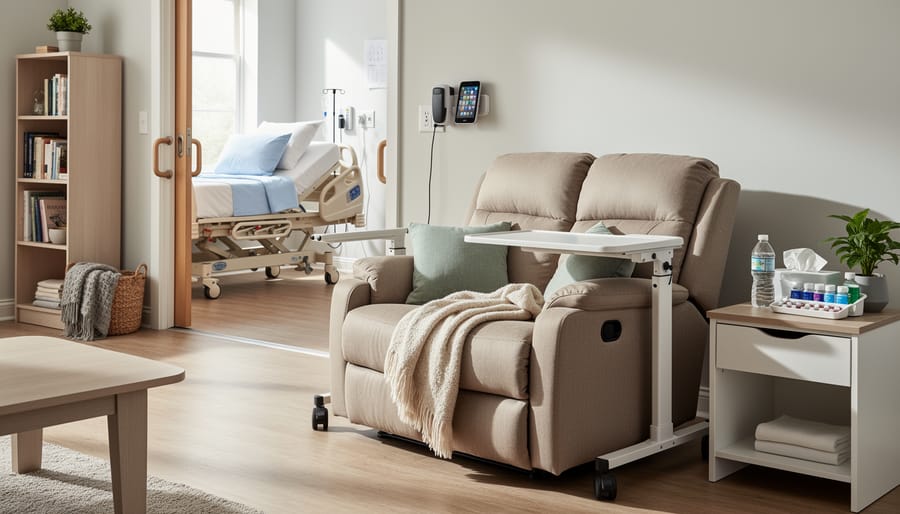
You might be wrestling with whether relocating your family right now is the right call or just adding unnecessary stress to an already overwhelming time. The truth is, sometimes moving during illness isn’t just reasonable, it’s essential for your family’s wellbeing and the sick person’s recovery.
Several clear situations warrant considering a move, even when illness already feels like too much to handle:
- You need regular access to specialized treatment centers or children’s hospitals that are hours away from your current home
- Your family requires daily hands-on support from relatives who live in another area
- Your current home has stairs, narrow doorways, or other accessibility barriers that make caring for someone with mobility challenges dangerous or impossible
- Treatment protocols require temporary relocation closer to a medical facility for weeks or months
- Your lease is ending or financial circumstances have changed due to medical expenses, making your current housing unsustainable
If you’re moving to be near a treatment center where your child will receive care for the next six months, that’s not creating problems, it’s solving them. If your mother’s offer to help means you can actually sleep at night because she’ll be there for early morning medication routines, that’s worth the upheaval.
The decision becomes clearer when you separate guilt from practicality. Moving isn’t giving up on your current life or admitting you can’t handle things. It’s recognizing that your family’s circumstances have changed, and your living situation needs to change too. You’re not being dramatic. You’re being a mother who sees what her family needs and takes action, even when it’s hard. Trust that instinct. If staying where you are means daily two-hour drives for treatment, constant worry about managing alone, or a home that no longer fits your family’s physical needs, moving makes absolute sense.
What You’ll Need Before You Begin

Before you start packing a single box, gather these essential resources. Moving while managing illness requires more preparation than a typical relocation, but having everything ready reduces stress when you need it most.
Medical Essentials and Documentation
You’ll need copies of all current medical records, ideally both physical and digital. Request these from your healthcare providers at least a month ahead, as processing can take time. Include recent test results, imaging reports, treatment plans, and medication lists with exact dosages. Don’t forget insurance cards, pharmacy records, and referrals to new providers in your destination area.
Create a portable medical kit containing at least two weeks of all medications in their original bottles, along with prescriptions for refills. Pack medical equipment instruction manuals, warranty information, and your healthcare team’s contact numbers in a folder that travels with you, not in the moving truck.
Practical Moving Supplies and Support
- Professional movers experienced with medical accommodations or vetted friends willing to handle heavy lifting
- Extra padding and protective materials for medical equipment
- Clearly labeled boxes designated “OPEN FIRST” for daily necessities
- Cooler or insulated bag for temperature-sensitive medications
- Childcare coverage for moving day and the week of settling in
- Ready-made meals or meal delivery service for the first week
- Emergency fund covering unexpected costs (aim for $500-$1,000 if possible)
- Contact information for new healthcare providers, including 24-hour emergency lines
Your Support Network
Line up specific people for specific tasks before moving day arrives. One friend coordinates meal drop-offs. Another handles childcare during appointments. A family member manages the moving logistics while you focus on health needs. People want to help but rarely know how, giving them concrete assignments makes support actually happen. If family isn’t nearby, reach out to social workers, patient advocates at your medical facility, or local community organizations that assist families facing illness. You cannot do this alone, and you shouldn’t try.
Important Safety Considerations and When to Pause
Some moves need to wait, and recognizing those moments protects everyone in your family. Before you commit to dates or sign a lease, talk with your medical team about timing. Active chemotherapy, recent surgery, or unstable symptoms can make moving dangerous. Your doctor knows your treatment schedule and can help identify safer windows.
Medical equipment requires special handling. Oxygen tanks, IV poles, hospital beds, and mobility aids need secure transport and often can’t go in regular moving trucks. Contact your equipment supplier at least three weeks ahead. They can coordinate delivery to your new home and ensure nothing gets damaged or runs out during the transition. Never pack medications with household items where they might get lost or exposed to temperature changes.
Infection risk spikes when you’re exhausted and surrounded by dust, boxes, and unfamiliar environments. If your immune system is compromised, you shouldn’t be doing physical labor or spending extended time in storage units or empty houses. This is when asking others to handle the heavy work isn’t optional, it’s medical necessity. Wear a mask in dusty spaces, keep hand sanitizer accessible, and have someone else clean the new place before you arrive.
Watch for stress triggers that signal you need to slow down. Chest pain, severe fatigue, uncontrolled pain, or anxiety attacks mean your body is telling you something. Listen to it. A delayed move is better than a medical emergency in an unfamiliar city without your established care team nearby.
Your Step-by-Step Moving Plan
Phase 1: Planning and Medical Coordination (4-6 Weeks Before)
Start by having an honest conversation with your primary care doctor and any specialists currently managing the illness. Tell them exactly where you’re moving and when. They can flag any treatment schedules that absolutely can’t be interrupted and identify safe windows for the move itself.
Request written medical records now, not the week before you leave. You’ll need treatment histories, current medication lists with dosages, recent test results, and imaging on disk if applicable. Most offices need 7-10 business days to compile comprehensive records, and you don’t want to chase these down while packing boxes.
Research healthcare providers in your new area immediately. Ask your current doctors if they can recommend colleagues, check your insurance network, and read reviews from other patients managing similar conditions. Schedule intake appointments before you move if possible. New patient wait times can stretch weeks or months, especially with specialists.
Map out your treatment calendar against your moving timeline. If chemotherapy, physical therapy, or regular monitoring appointments fall during moving week, talk with your medical team about rescheduling or arranging temporary care at your destination. Some treatments can shift by a few days; others can’t.
Create a medical continuity binder with copies of everything: insurance cards, prescriptions, pharmacy contacts, emergency protocols specific to the illness, and a one-page summary you can hand any new provider. Keep this with you during the move, not in a moving truck. You might need it faster than you expect.
Phase 2: Organizing Help and Packing (2-4 Weeks Before)
Two to four weeks out, start building your support network and tackling the physical work you can’t do alone. You’re managing a household, coordinating care, and preparing to move, asking for help isn’t weakness, it’s strategy.
Reach out specifically. Rather than waiting for “let me know if you need anything,” create a task list and assign concrete jobs: Saturday packing shifts, meal deliveries on treatment days, someone to watch the kids during medical appointments. Friends and family often want to help but don’t know how. Give them clear roles and they’ll likely say yes.
Pack medical essentials and immediate-need items separately in clearly labeled boxes that stay with you during the move. This includes medications, medical supplies, recent test results, a week’s worth of clothing, phone chargers, and comfort items. Keep these in your car or with a trusted person, not on the moving truck.
For the rest, pack room by room with a color-coded system. Accept that perfection isn’t the goal, packed beats organized right now. Delegate entire rooms to helpers if possible. If someone offers four hours, hand them the kitchen and walk away.
Prepare your children by involving them in age-appropriate ways. Let younger kids pack their favorite toys in a special bag. Walk older children through the new home via photos or video calls. Answer their questions honestly about why you’re moving and what stays the same, their school friends, their belongings, your family unit.
Phase 3: Moving Day Adaptations
Moving day requires a different approach when illness is part of the equation. Your first priority is keeping the ill family member as removed from the chaos as possible. If feasible, arrange for them to stay with a trusted friend or at a respite facility for the day. If they must be present, designate a quiet room with essential comfort items, medications, and a dedicated caregiver who isn’t involved in the move.
Appoint one person, not you, as the medication manager for the day. They should have a written schedule, pre-packed doses, and access to the ill person’s medical information. Set phone alarms as reminders since normal routines will be disrupted.
For children, having a dedicated adult to supervise them away from the moving activity prevents anxiety and keeps them safe. Pack a special moving day bag with snacks, activities, comfort items, and a change of clothes for each child.
Keep a “last box in, first box out” with absolute essentials: medications, medical equipment, important documents, chargers, toiletries, and any items needed within the first 24 hours. Label it clearly and transport it in your personal vehicle, not the moving truck.
Have backup plans for everything that could go wrong: delayed movers, medical emergency contact numbers in the new location, and a Plan B for overnight accommodations if the move takes longer than expected.
Phase 4: Settling In While Managing Care
The first 72 hours in your new home set the tone for everything that follows. Your energy is limited, so resist the urge to unpack everything at once. Focus exclusively on what keeps care running: medications, medical equipment, important documents, and enough basics for daily routines.
Set up the ill family member’s space first. This becomes their sanctuary while chaos swirls elsewhere. Make their bed, arrange medications where they’re easily accessible, and ensure any needed medical equipment is functional and positioned correctly. Creating this stable zone gives everyone a calm anchor point.
Establish simplified routines immediately, even if they’re temporary. Consistent meal times, medication schedules, and bedtimes help children feel secure when everything else feels unfamiliar. Don’t aim for perfection, cereal for dinner counts as routine when you’re exhausted.
Contact your new healthcare providers within the first week, even if you don’t need immediate appointments. Confirm they received transferred records and schedule introductory visits. Have pharmacy prescriptions transferred before you run low.
Watch your children for adjustment signs. Some kids withdraw, others act out. Keep communication open without forcing conversations. Small rituals, like a special breakfast spot or evening walk, create positive associations with the new home while you’re all finding your footing.
Making Sure the Move Was Successful

Within the first week, confirm your medical care is solidly in place. Call each new provider to verify appointments are scheduled, prescription transfers went through, and medical records arrived. If anything fell through the cracks, address it immediately, treatment continuity can’t wait for “when you get settled.”
Check that essential services work: utilities connected, internet functioning (critical for telehealth appointments), accessibility modifications completed if needed, and emergency contacts updated with your new address. Test medical equipment in the new space to ensure it operates properly with different electrical systems or room layouts.
Watch how your family adjusts. Are your children re-establishing a bedtime routine within a few weeks? Is the ill family member maintaining stability or showing signs of increased stress? Small hiccups are normal, same strategies that helped you survive home change apply here, but persistent sleep problems, behavioral regression in kids, or worsening health symptoms signal you need more support.
Reach out to local parent groups, illness support communities, or faith organizations once you’re ready. Building a new support network takes time, but connecting with others who understand your situation makes the new place feel less isolating.
Supporting Your Children Through the Transition
Your children are processing two major disruptions at once: the move and the illness. How you support them depends on their age and what they can understand.
For toddlers and preschoolers, keeping their familiar items close matters more than explanations. Pack their favorite blanket, stuffed animal, and bedtime books last so they’re first out at the new place. Stick to the same naptime and mealtime routines even if boxes are everywhere. They’ll pick up on your stress, so brief reassurances work better than long talks they can’t follow.
School-age children need honest information without scary details. Tell them why you’re moving in simple terms: “We need to be closer to the hospital where Mom gets treatment” or “Our new house will be easier for Dad to move around in.” Let them help pack their own room so they feel some control. Answer their questions directly, but don’t overshare medical information meant for adults.
Teenagers often struggle most because they’re leaving friends during a time when peer connections feel critical. Acknowledge this loss instead of minimizing it. Help them stay connected through video calls and plan visits when possible. Give them space to be upset while maintaining clear expectations about helping the family.
Watch for signs they’re not coping: sleep problems, regression in younger kids, grades dropping, withdrawal from activities they loved, or unusual clinginess. These are normal stress responses, but they tell you when extra support is needed. Maintaining relationship habits like one-on-one time, even for ten minutes daily, helps children feel secure during chaos.
The peaceful parenting approach of staying calm and connected works especially well now, even when you’re managing your own emotional challenges. Your children need to know that while things are changing, your love and presence remain constant.
Common Questions About Moving During Illness
Moving during a long illness raises urgent practical questions that deserve clear, honest answers. While every situation is unique, these common concerns come up repeatedly for mothers navigating this challenge.
How far in advance should I plan a move during illness?
Ideally, allow 6-8 weeks for medical coordination and support arrangement, though urgent medical moves may require faster timelines. The key is starting medical care transfer conversations as early as possible, even if other logistics happen quickly.
Will insurance cover any moving costs related to medical care?
Some insurance plans and Medicaid programs cover medically necessary relocations when moving closer to treatment facilities or specialized care. Contact your insurance case manager directly to ask about medical transportation benefits, temporary housing allowances, or hardship funds, coverage varies significantly by plan and situation.
Can I continue treatment remotely if we move far from my current doctors?
Telemedicine has expanded dramatically, making remote monitoring and follow-up appointments possible for many conditions. However, your care team needs to establish protocols before you move, and you’ll still need local providers for emergencies, lab work, and procedures that can’t happen virtually.
How do I transfer my child’s school records during a medical crisis?
Contact your current school counselor or registrar immediately, most schools can expedite transfers during family emergencies. Request records be sent electronically when possible, and ask about IEP or 504 plan continuity if your child has accommodations.
How do I take care of myself when I’m managing both illness and a move?
Accept that you cannot do everything and that accepting help isn’t failing your family. Prioritize sleep, keep easy nutritious food available, maintain medication schedules above unpacking timelines, and give yourself permission to feel overwhelmed, this situation is genuinely hard.
Remember that seeking clarity on these questions isn’t overthinking. You’re making informed decisions during an already difficult time, and getting answers helps you protect both your health and your family’s stability during the transition.
Moving your family during a long illness ranks among the hardest things you’ll ever do. The physical exhaustion, the emotional weight, the constant juggling of medical needs with packing boxes, it’s overwhelming, and you’re allowed to feel that.
But here’s what matters: you did it. Or you’re about to. And that takes tremendous courage.
This move isn’t about being perfect. It’s about making the best decision for your family’s health and future, even when everything feels uncertain. You’re not failing because you needed to ask for help, delegate tasks, or simplify your plans. You’re being resourceful and protective of what matters most.
The first weeks in your new space will feel strange. Treatment schedules and school routines will take time to normalize. That’s expected. Be patient with yourself and your children as everyone adjusts.
Remember that the support systems you’ve built, your medical team, friends who helped pack, neighbors who’ll watch the kids, they’re still there. You don’t have to navigate recovery and settling in alone. Keep reaching out when you need help, just as you did to get here.
You’re doing better than you think.